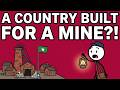
The country that was never supposed to exist 🤯 #geography #maps
Wiggly Borders publikigis hieraŭ en Esperanto Ĉu ne?
Neniu ĝenro specifite.
Proponu ĝenrojn
Ni ne povas montri ĉi tiun filmeton al vi, ĉar viaj agordoj pri kuketoj ne permesas tion al ni.
Por rigardi kaj re-agordi viajn kuketojn, vizitu la paĝon Kuketoj.
Vi povas daŭre spekti la filmeton ĉe la originala platformo:
Originala paĝo
Spekti filmon ĉe Tubaro ne ŝtelas la spekton de Jutubo. La spekto enkalkuliĝas en ambaŭ Tubaro kaj Jutubo. Mi komprenas.
- 0 Spektoj
- Komentu!
- 0
Via ŝato/malŝato, ankaŭ viaj ĝenro-proponoj por ĉi tiu afiŝo estas konservita nur en Tubaro, ili ne estas sendataj ekster niaj serviloj. Simile, la statistikoj pri la afiŝo (spektoj, ŝatoj, komentoj ktp), ankaŭ aliaj atribuoj, ekzemple ĝenroj, venas de Tubaro mem. Ili neniel estas rilataj al tiuj ĉe la originala platformo. Mi komprenas.
Viaj signaloj pri problemoj rilate ĉi tiun afiŝon estos sendataj nur al la administrantoj de Tubaro. Ĉi tiu funkcio neniel estas rilata al ebla simila eco ĉe la originala platformo de la filmo. Por raporti problemon al la administrantoj de la originala platformo, uzu la raportofunkcion ĉe tiu platformo. Mi komprenas.
Priskribo
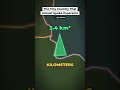
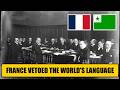
From 1816 to 1920, Neutral Moresnet was a tiny neutral triangle between the Netherlands (later Belgium) and Prussia, run jointly by both because neither would give up a zinc mine. Esperanto supporters, including the mine’s doctor, proposed turning it into an Esperanto state called Amikejo, but it never happened.
Sources:
Wikipedia, “Neutral Moresnet”
Wikipedia (German), “Neutral-Moresnet”
The Brussels Times, “The forgotten tale of Neutral Moresnet” (Dylan Carter, 16 Oct 2023)
Ostbelgien (East Belgium tourism), “Crossing into no-man’s-land”
NOS, “Moresnet: een vergeten vrijstaat bij het Drielandenpunt” (17 Feb 2016)
University of Liège (ORBi), “La trajectoire du docteur Molly à Moresnet”
The Low Countries, “100 years ago, tiny country Neutral Moresnet became part of Belgium” (Tom Christiaens, 15 Jan 2020)
Maastricht University, “The fluke of international law that led to an accidental condominium” (19 Dec 2022)
Imagery: EOxCloudless 2016 by EOX, CC BY 4.0. Contains modified Copernicus Sentinel data 2016.
Borders: Natural Earth (public domain)
Emoji: Google Noto Emoji (Apache 2.0).
Narration: AI voice.
Neutral Moresnet was a tiny territory that existed for over a century because two nations refused to share a zinc mine. Discover how this land became a tax-free haven.
From 1816 to 1920, the Netherlands and Prussia drew a border around a disputed mine, creating a unique neutral territory. Because neither side would concede, the area operated outside standard national laws, leading to low taxes and an exemption from military conscription. This accidental condominium thrived as people flocked to the region for economic freedom.
Eventually, the mine ran dry, and the area became the focus of an ambitious plan to create an Esperanto state called Amikejo. While the vision of a global language hub never materialized, the history of this geography curiosity remains a fascinating case study in international borders and administrative anomalies.
Follow Wiggly Borders for more strange borders and geography facts.
Neutral Moresnet was a tiny territory that existed for over a century because two nations refused to share a zinc mine. Discover how this land became a tax-free haven.
From 1816 to 1920, the Netherlands and Prussia drew a border around a disputed mine, creating a unique neutral territory. This accidental condominium thrived as people flocked to the region for economic freedom, eventually inspiring an ambitious plan to create an Esperanto state.
Follow Wiggly Borders for more strange borders and geography facts.
#Shorts #geography #maps #Esperanto #Belgium