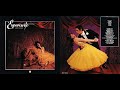
Esperanto – Danse Macabre(1974 Belgo-English band ,prog rock)Full Album
Uncle Lakis / Music Time Machine /For Collectors publikigis antaŭ 8 monatoj en Esperanto Ĉu ne?
Neniu ĝenro specifite.
Proponu ĝenrojn
Ni ne povas montri ĉi tiun filmeton al vi, ĉar viaj agordoj pri kuketoj ne permesas tion al ni.
Por rigardi kaj re-agordi viajn kuketojn, vizitu la paĝon Kuketoj.
Vi povas daŭre spekti la filmeton ĉe la originala platformo:
Originala paĝo
Spekti filmon ĉe Tubaro ne ŝtelas la spekton de Jutubo. La spekto enkalkuliĝas en ambaŭ Tubaro kaj Jutubo. Mi komprenas.
- 1 Spekto
- Komentu!
- 0
Via ŝato/malŝato, ankaŭ viaj ĝenro-proponoj por ĉi tiu afiŝo estas konservita nur en Tubaro, ili ne estas sendataj ekster niaj serviloj. Simile, la statistikoj pri la afiŝo (spektoj, ŝatoj, komentoj ktp), ankaŭ aliaj atribuoj, ekzemple ĝenroj, venas de Tubaro mem. Ili neniel estas rilataj al tiuj ĉe la originala platformo. Mi komprenas.
Viaj signaloj pri problemoj rilate ĉi tiun afiŝon estos sendataj nur al la administrantoj de Tubaro. Ĉi tiu funkcio neniel estas rilata al ebla simila eco ĉe la originala platformo de la filmo. Por raporti problemon al la administrantoj de la originala platformo, uzu la raportofunkcion ĉe tiu platformo. Mi komprenas.
Priskribo
Esperanto biography
Esperanto is a language invented in 1887 by Zamenhof, who combined bits of various Romance language to make what he hoped would become a vehicle of universal communication. The Belgo-English band of the same name at the beginning of the 70s had a short but intense career and produced an extremely varied musical repertoire thanks to the many different nationalities, origins and outlooks of its members.
It all started at the end of ’71 when the Belgian violinist Raymond Vincent, leader of the Wallace Collection wanted to embark on a more adventurous musical endeavour (in spite of his surprising predilection for hard rock) after his band had broken up. After playing for a short period with Dany Lademancher and Roger Wollaert (who had left Kleptomania), then with Dirk Bogaert (of Waterloo), he got in touch with Bruno Libert who was completing his musicology studies and playing piano every night in Brussel’s theatres that were putting on “off Broadway” musicals, which were quite fashionable at the time. Raymond told Bruno about his new project and showed him some musical ideas. He also played him a promotional album, Metronomics, that he had written for an advertising campaign. The two musicians agreed to launch the project and started to look for other musicians. They discovered the Malisan brothers, two Italo-Belgians of the Mons area: Gino, bass player and Tony, drummer. They started to rehearse in the back room of a small cafe, wrote a series of new numbers and recorded a first demo-tape at “Cathy” studio in the Brabant Wallon region, owned at the time by Marc Aryan (Belgian singer successful at the beginning of the 70s).
The four musicians took their demo to England, where they met David Mackay who had produced the Wallace Collection and The New Seekers and later produced part of Esperanto’s first album. David was interested by the project and agreed to recruit more musicians in order to strengthen the line-up which was quite limited on the first demo (violin, piano and Hammond organ, bass and drums). Soon, he contacted Glenn Shorrock, an Australian singer who was living in London at the time and had left his group, the Twilights. David also played a series of records from his collection to the musicians to try to find female singers. Raymond and Bruno were immediately convinced that Cliff Richard’s trio of backing singers would fit the bill. David set up an appointment with Joy Yates, Janice Slater and Bridget Dudoit (who had released a record under the name of Bones) and easily convinced them to join the group as they were quite enthusiastic. The band was also looking for a guitarist and more string players in order to form a quartet. David Mackay found Brian Holloway, an Australian guitar player. As he regularly conducted recording sessions in London studios, it was also easy for David to assemble a modern-sounding string section, unlike Belgian strings which tended to sound more classical. A second violin (Godfrey Salmon), a viola (Tony Harris) and a cello (Timothy Kraemer) joined Esperanto and the first line-up was ready.
–
Studio Album, released in 1974
Songs / Tracks Listing
1. The Journey 00:00
2. The Castle 10:24
3. The Duel 13:55
4. The Cloister 21:00
5. The Decision 26:28
6. The Prisoner 32:25
7. Danse Macabre 39:45
Line-up / Musicians
– Keith Christmas / lead vocals
– Glenn Shorrock / backing vocals
– Bruno Libert / piano, organ, ARP Odyssey, harpsichord, vibes, backing vocals, arrangements
– Gino Malisan / bass
– Tony Malisan / drums
– Raymond Vincent / violin, arrangements
– Godfrey Salmon / 2nd violin, tenor vocals
– Tony Harris / viola
– Timothy Kraemer / cello


![Eksperimentoj - Eksperimentoj [Full Album]](https://i.ytimg.com/vi/JQSDT7MEslc/default.jpg)